
Best Time to Visit
Best Time to Visit for Safari and Cape Town?
When is the best time to visit South Africa for Safari, Birding and Cape Town? Having photographed and guided in Southern Africa for over 20 years, without hesitation I can tell you every season has something amazing to offer so instead of one specific time to visit I’ll give you an overview of what to expect per season. As a general Southern Africa experiences wet summers/dry winters except for the Western Cape which has a Mediterranean climate (wet winters/dry summers) so no matter when you visit there is a dry season advantage.
Regional Climate Overview
Cape Town & Western Cape:
Winter rainfall (May–Oct)
Mediterranean-style climate with dry summers and wet winters.
Rest of Southern Africa (Kruger, Botswana, Namibia, Zimbabwe, Zambia):
Summer rainfall (November–March)
Dry winters and wet summers.
This contrast makes it possible to combine regions strategically for optimal year-round birding and wildlife viewing.
SUMMER
Summer | Mid Nov – Mid March
The Green Season
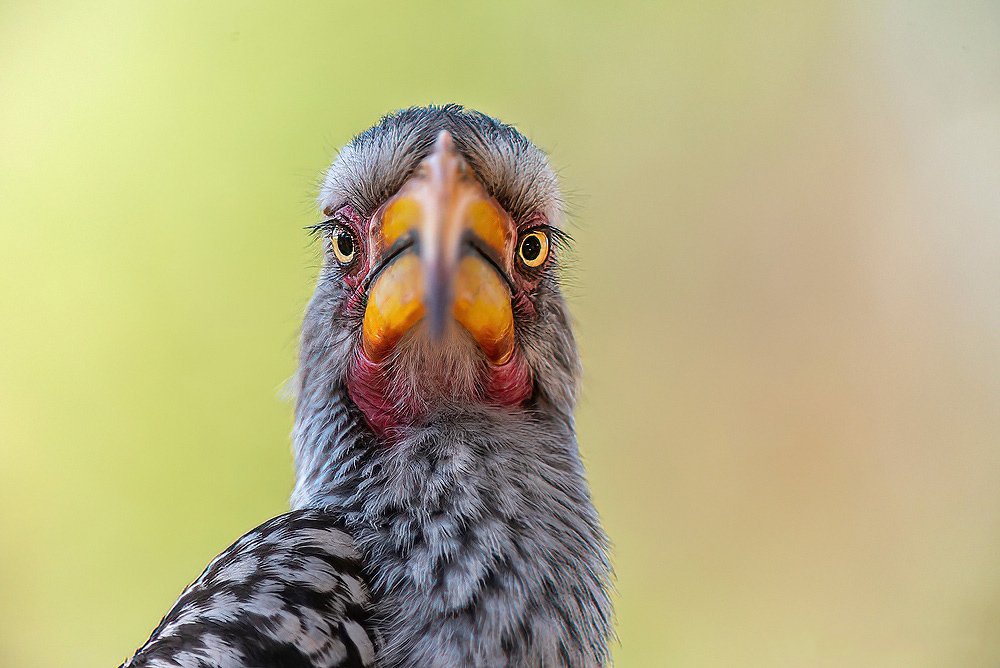
This is prime birding and baby antelope calving season across Southern Africa, driven by rainfall across all regions except the Cape. I captured the above image of a Yellow Billed Hornbill at Afsaal, a picnic stop in the Kruger Park where you can get out your vehicle. The green background, pink flush in the hornbill face, I feel sums up the colourful type of imagery you can capture in the green season. But with the vegetation lush and full it is considerably more difficult to get clean backgrounds versus the dry season.
Cape Town & Western Cape
Hot, dry, can be very windy
Coastal and forest birding remains productive
Less dramatic landscapes, but long light hours
Northern & Interior Regions
Wet season
Arrival of Palearctic and intra-African migrants
Breeding plumage, courtship behaviour, and vocal birds
Experience
For safari wildlife more dispersed but highly photogenic (young animals, green landscapes, bird breeding summer, summer migrants)
For Cape Town you can expect lots of sunshine (and wind!), blue ocean waters and a lively atmosphere but it is also peak tourist season (Dec/Jan in particular) when it can extremely busy with heavy traffic and peak prices. This is time of year you can photograph the penguins with the bluest ocean waters, especially after the South Easter Wind has blown for a few days straight.
GREEN SEASON FOR SAFARI:
If you wish to escape the crowds, the dust and pay less for your Safari this is the time of year to travel. Low season rates however do not apply to Cape Town as summer is Cape’s peak season.
AUTUMN
Autumn | April – Early June
AUTUMN has the best weather and great light.
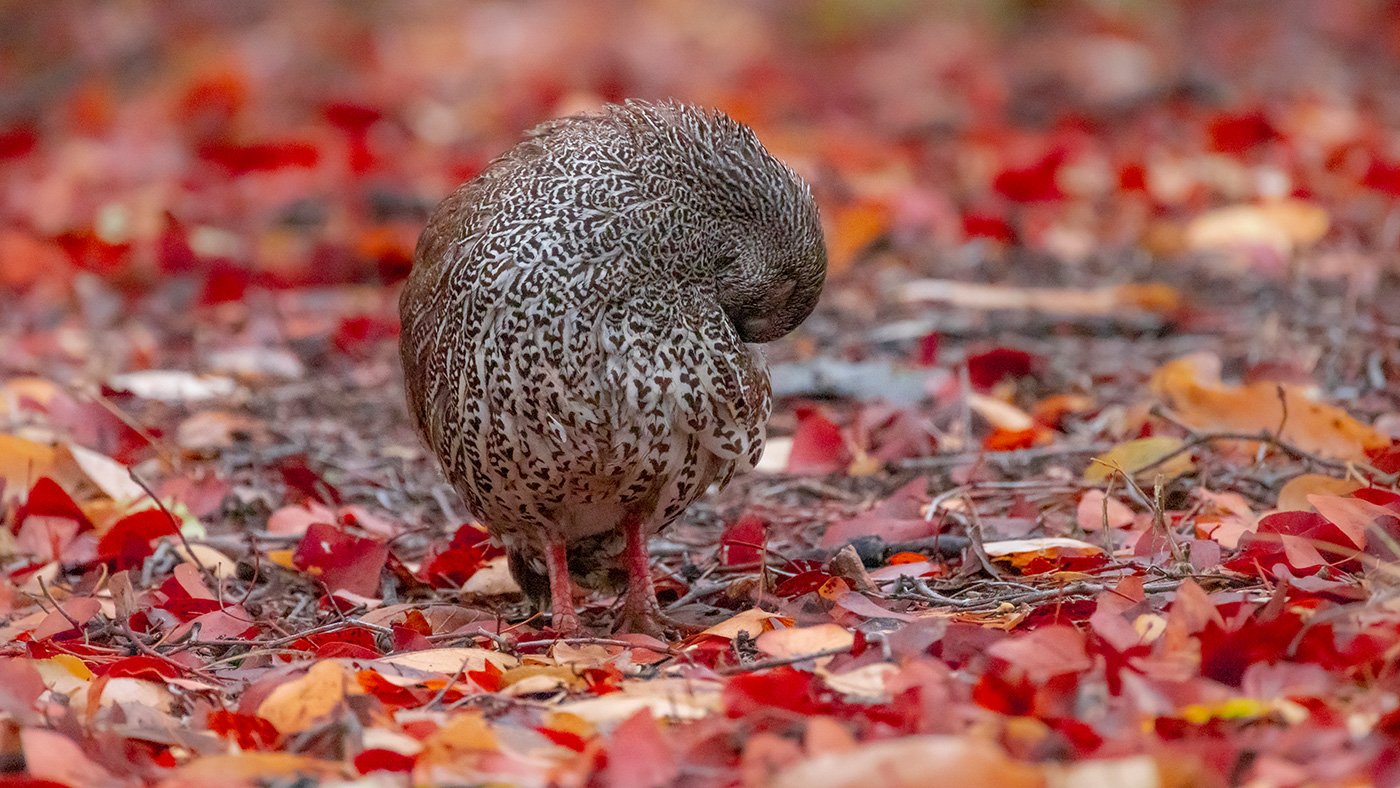
Autumn is my favorite season, there is colour in the landscapes, temperatures are great throughout the region, rainfall is scarce and wildlife starts to concentrate water sources. There are parts of Southern Africa that can get colourful landscapes, not so much in the safari regions except for Mopani and bushwillow areas. I captured the image above of a sleeping Natal spurfowl in Letaba, Kruger.
Cape Town & Western Cape
Cooler temperatures, often with atmospheric mist
Strong coastal birding
Productive wetlands as bird concentrate water points before the winter rains
Northern & Interior Regions
End of the wet season
Wildlife visibility improves as vegetation thins
Colour in the landscapes from mid May to June
Experience
The weather is glorious with infrequent rain. April can still be hot as the green season colours start fading by May/June the savannah is transforming into golden hues of orange and yellow. It is a beautiful time of year, wildlife sightings are great as they return to predictable water sources. For birders all the migrants have left but the resident birds are still in abundance and with the autumn colours it’s a great time to photograph them.
CAPE REGION
Early April is warm 26 °C (79F) cooling by June 18 °C (64F). This is a spectacular time to be in the Cape as the winds calm down, the days are balmy and rains infrequent. During Autumn photographers can expect some of the best weather in the Cape with pleasant warm, wind-free days and the landscape start transforming by May into rich autumn colours, with the lower sun angle, the light is less harsh so you photograph for longer in the morning and afternoon light.
Late May/early June is the best time for autumn colours in the wine region and it’s the time when the sea mist can roll into Cape Town. For bird photographers, birding is great in Autumn and May/June the ocean trips start to produce their magic.
WINTER
Winter | June – August
Start of Peak Safari Season + Whales, Pelagic Birding and flowers for the Cape
Winter is considered the best wildlife season in Southern Africa but it is colder than many travelers realise – parts of the country experience below zero temperatures and high elevation regions snow! This is the Cape wet season, its mountainous terrain strongly influences rainfall. The city and coastal plains receive approx. 515 millimetres (20 in) of rain per year while the mountain areas can average as much as 1,500 millimeters+ (60 in). Importantly it doesn’t rain all the time; cold fronts are interspersed with cool clear days of the bluest skies and most glorious weather.
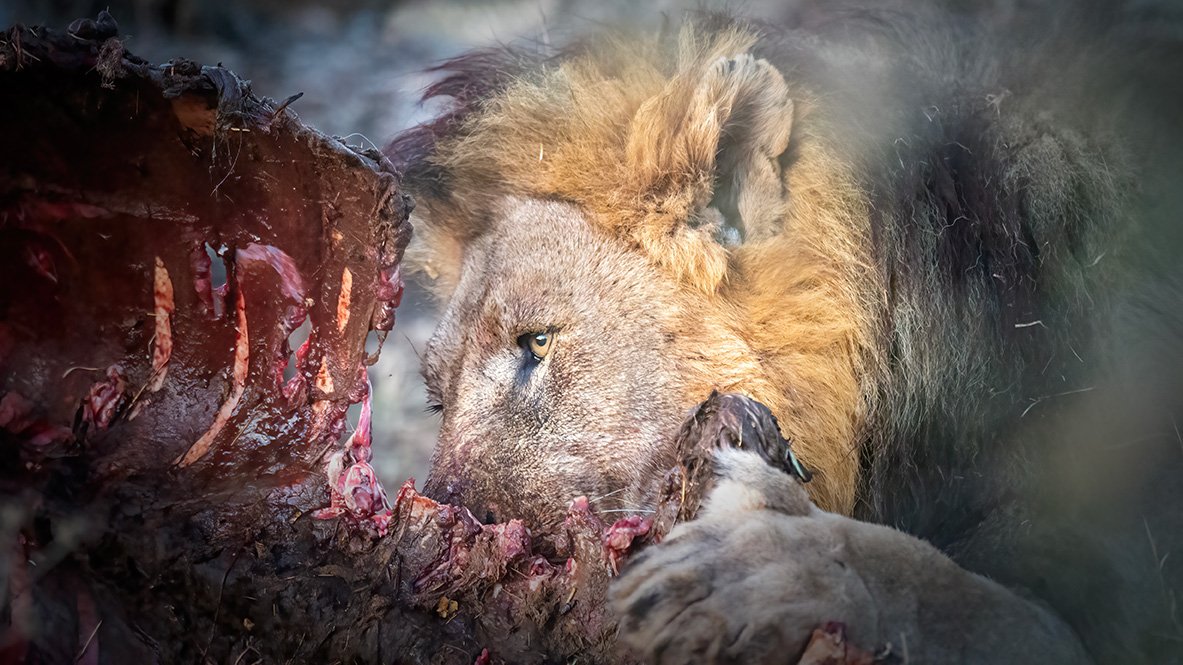
I captured this lion feeding on a Kudu Bull in the Madikwe Game reserve late August.
Cape Town & Western Cape
From June the whales season starts with some of the best shore based whale watching in the planet
From June through Oct is the best time for Pelagic Birding Trips.
From Mid August, the world’s greatest wildflower display happens a few hours drive north of Cape Town.
Winter rainfall transforms landscapes into colour, water fills wetlands and creates seasonal waterfalls.
Dramatic seas (Cape of storms) make for amazing photography and the weather between cold fronts is glorious!
Northern & Interior Regions
Dry season kicks in with beautiful blue sky days but cold to very cold (Below zero) mornings
Vegetation becomes sparce making it much easier to see and photograph wildlife and birds
Wildlife concentrates around water making them much easier to find
Excellent predator sightings, dry season equals less nutritious food for herbivores, weaking them.
Experience
For bird and wildlife travelers this is THE TIME to visit the Cape!
It is peak whale season and boat trips can produce thousands of marine birds. Also from August the greatest wildflower display on earth starts in the Northern Cape making its way down south reaching the Western Cape by mid August, please note intensity and location of display varies from year to year. West Coast National Park day trips to view flowers (and birds) are August/Sept but peak dates vary, in generally late August/early Sept is the best time.
BONUS
It is low season in the Cape so tourist hotspots are quieter, there are accommodation and restaurant low season specials however this does not apply for the flower region or Safari destinations where it is peak season.
SAFARI & BIRD
Winter mornings and evenings are cold 5C (41F) especially the mornings which can drop below zero degrees C. Warm clothing, gloves, beanies are a must! However the winter days can be beautiful and warm, 20C+ (68F) is common and I‘ve seen days in August that reach upper 30’s (100F).
July/August is prime wildlife viewing time with softer winter light so you can photograph longer and cooler temps so the animals move around more. It is dry season with infrequent rain so the vegetation dries back making it easier to find and photograph animals as they concentrate rivers and waterholes.
Peak times, equals peak prices + July is South African school holidays so many places are fully booked. It is advised to book at least a year in advance for peak season and sometimes even 2 years to secure prime lodges. However if you are flexible regarding your safari location, there are great alternatives, including malaria free regions. For Bird Photographers, this is a great time as the open vegetation makes birds easier to photograph.
SPRING
Spring | September – November
Transition season across all regions – one of the best times to visit
Though the weather can be unpredictable Spring is one of the best all-round times to visit Southern Africa. It is end of dry season for safari regions so wildlife viewing is excellent, animals concentrate waterpoints and vegetation is at its most sparce. In the Cape the rain season is ending, birds are breeding, flowers are blooming and the landscape is at its most vibrant.
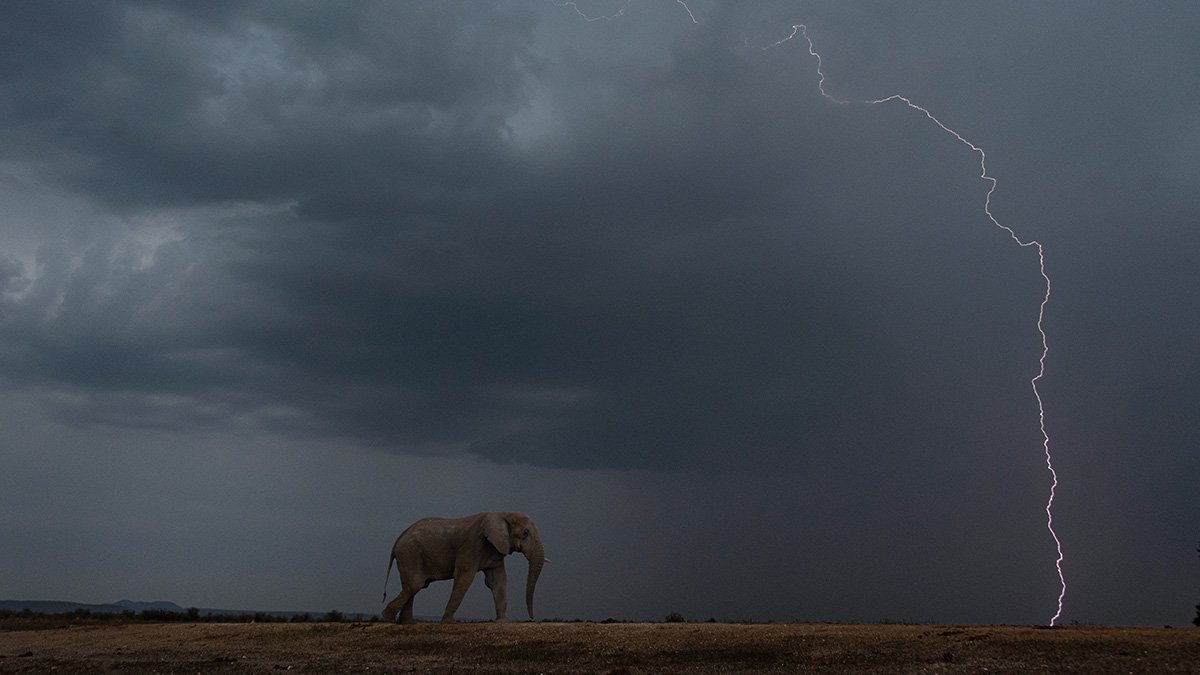
I captured this elephant and lightning strike in the Madikwe Game Reserve
Cape Town & Western Cape
Flowers are blooming,, birds breeding, calling, courting, the landscape is alive with sound and colour.
Whale season is still good right up to early November, boat trips can have calmer seas versus winter
Mild temperatures, excellent light often with very colourful sunsets/sunrises
Northern & Interior Regions
End of the dry season, dusty, hot but with incredible photo opportunities
Wildlife concentrates in huge numbers around water sources, in very dry years this can last right up to Dec.
From Sept migrant birds arrive and breeding seasons start. The opportunity to photograph migrants before lush summer vegetation is the small window of mid-Oct to mid-Nov in rains are late.
Experience
Spring is a transition period throughout the country making it impossible to generalize as it can be very hot and dry (40C) or a cold front can sweep through bringing heavy rains and cold temps (10C).
Cape Region
Magnificent time to be in the Cape as there are flowers and birds everywhere and colourful sunsets are common. Day Trips to Hermanus are recommended to photograph some of the best shore-based whale watching on the planet and the boat trips in the False Bay can also produce marine life and birds.
Wildlife & Bird
Again the weather may be unpredictable but it is a fantastic time of year, its breeding season, the migrant birds are returning and the storms are building. The land is dry and barren and then suddenly the rains arrive and everything is transformed, its amazing!
October is infamously called suicide month, as it can get very hot (40C/104F). Sept/Oct expect dry season conditions with brown hues and even more concentrated wildlife as surface water dries up. By Nov if the rains have started, except short green grass and an abundance of life. Birthing season in general starts in Nov. For Birders Sept to Dec is bird photography heaven.
With Global Climate Change weather patterns have become less predictable, meaning we can have rain in any season!
Why Southern Africa Works So Well for Safari & Bird Travel
Because the Western Cape rains in winter and the rest of Southern Africa rains in summer, photographers can:
Avoid peak rainfall year-round
Combine regions strategically
Always find productive habitats and strong photographic conditions