
Every birder dreams of ticking off life-list specials, and in South Africa, that quest has an extra challenge the magnificent “Big 6.” Just as safaris chase the mammalian Big Five, birders seek these six avian giants.
These aren’t just any large birds; they are iconic, often elusive, and represent the pinnacle of South African birding. Successfully spotting all six is a challenge that requires patience, expert guiding, and a bit of luck.
Why the ‘Big 6’?
The term “Big 6” was coined to highlight some of Africa’s most impressive, sought-after, and often most challenging bird species to find. They are chosen for their size, rarity, or sheer commanding presence.
Let’s meet the titans:
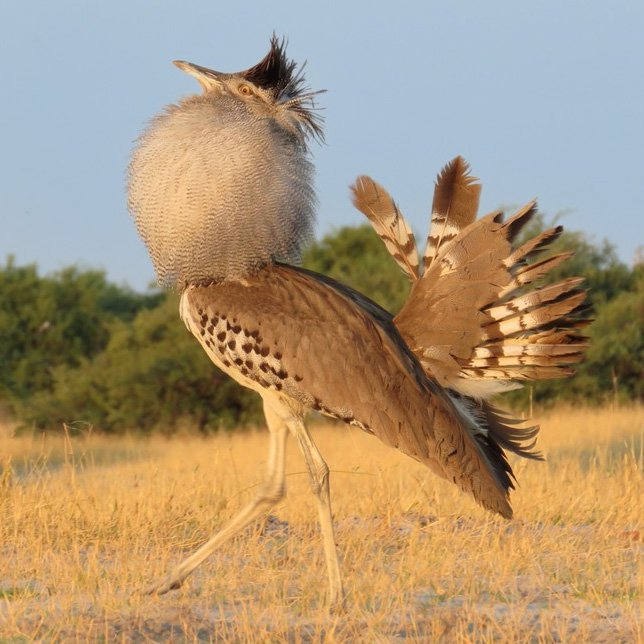
1. Kori Bustard
- The Vibe: These majestic ground-dwellers strut with an undeniable regal air, they can also fly and have the distinction (at up to 19 Kg’s) of being the world heaviest flying bird, well… sort of, a Pelican with a pouch full of fish can be heavier.
- Where to find them: Open grasslands and savannas, Kruger, Etosha, Madikwe, dry Kalahari. Unless in areas where they have become used to people, they can be incredibly wary, flushing at a distance.
- Identification Tip: Look for their stately walk, often with their heads held high, and the intricate vermiculated pattern on their plumage. Below is a displaying male whose deep call is easily noticed.
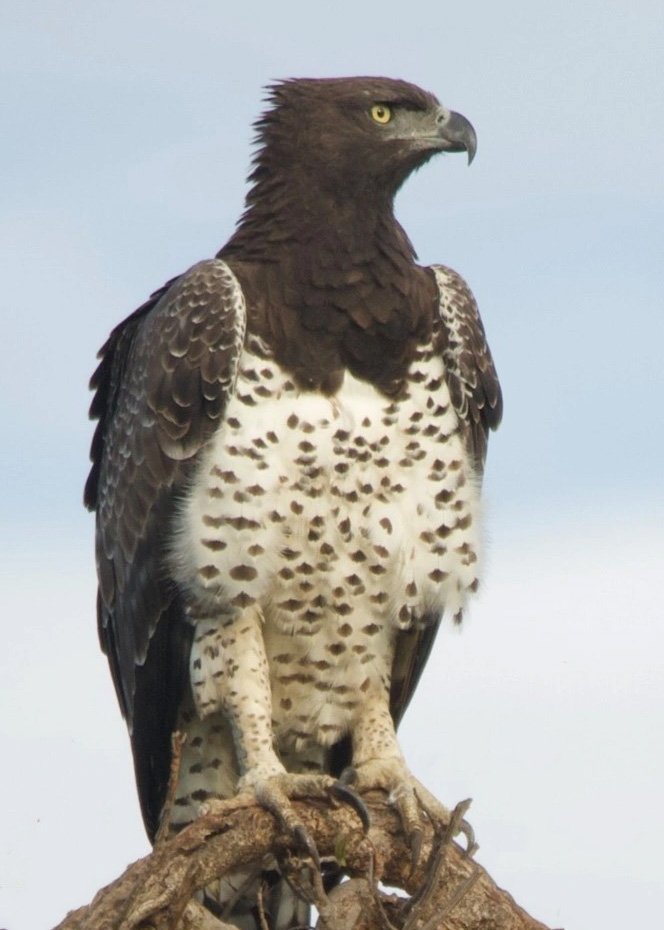
2. Martial Eagle
- The Vibe: Africa’s largest eagle and an apex aerial predator. This bird commands the sky with its immense wingspan and powerful hunting prowess.
- Where to find them: Widespread but thinly distributed across savanna and woodland areas. Best chances are in larger protected areas like Kruger and Zululand, especially around koppies (rocky outcrops) or tall trees along rivers.
- Identification Tip: Note their dark brown upperparts, white belly with dark streaking, and those intimidating yellow eyes.
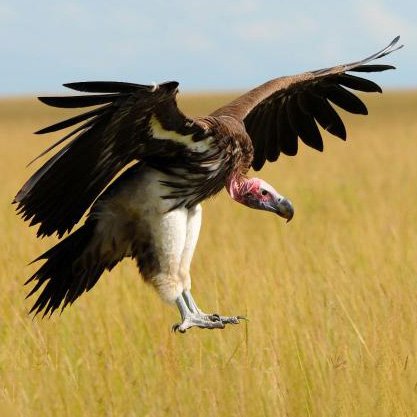
3. Lappet-faced Vulture
- The Vibe: The largest and most powerful of Africa’s vultures, a true monarch of the carrion world.
- Where to find them: Primarily found in arid savannas and semi-deserts, particularly good sightings in Kruger National Park, Kalahari. and Botswana. They prefer open country where they can easily spot carcasses.
- Identification Tip: Look for its massive size, bare pink head and neck, and the distinctive fleshy “lappets” on the sides of its head.
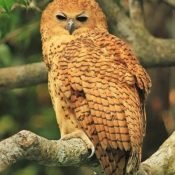
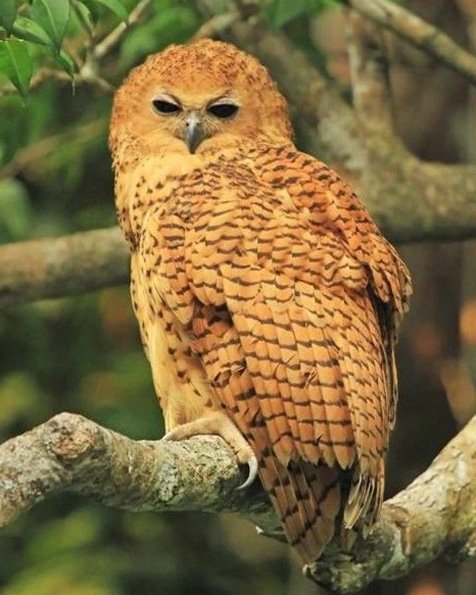
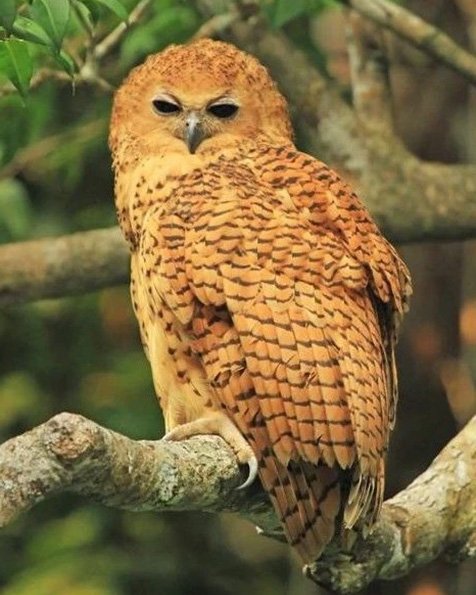
4. Pel’s Fishing Owl
- The Vibe: A ghost of the riverine forests, this stunning ginger-and-black owl is purely nocturnal and an absolute holy grail for birders.
- Where to find them: Associated with large, slow-moving rivers with overhanging trees, especially Fever Trees. Excellent spots include the Olifants and Pafuri River in Kruger National Park, Mkuze Fig tree forest walk, Ndumo river walk and along the St Lucia Estuary in iSimangaliso Wetland Park.
- Identification Tip: Usually seen at night or just before dawn/dusk but on localised Zululand birding walks with guides who specialize in finding them they can be seen in the day too. Look for its rich rufous plumage, large dark eyes, and distinctive “fishing” talons.
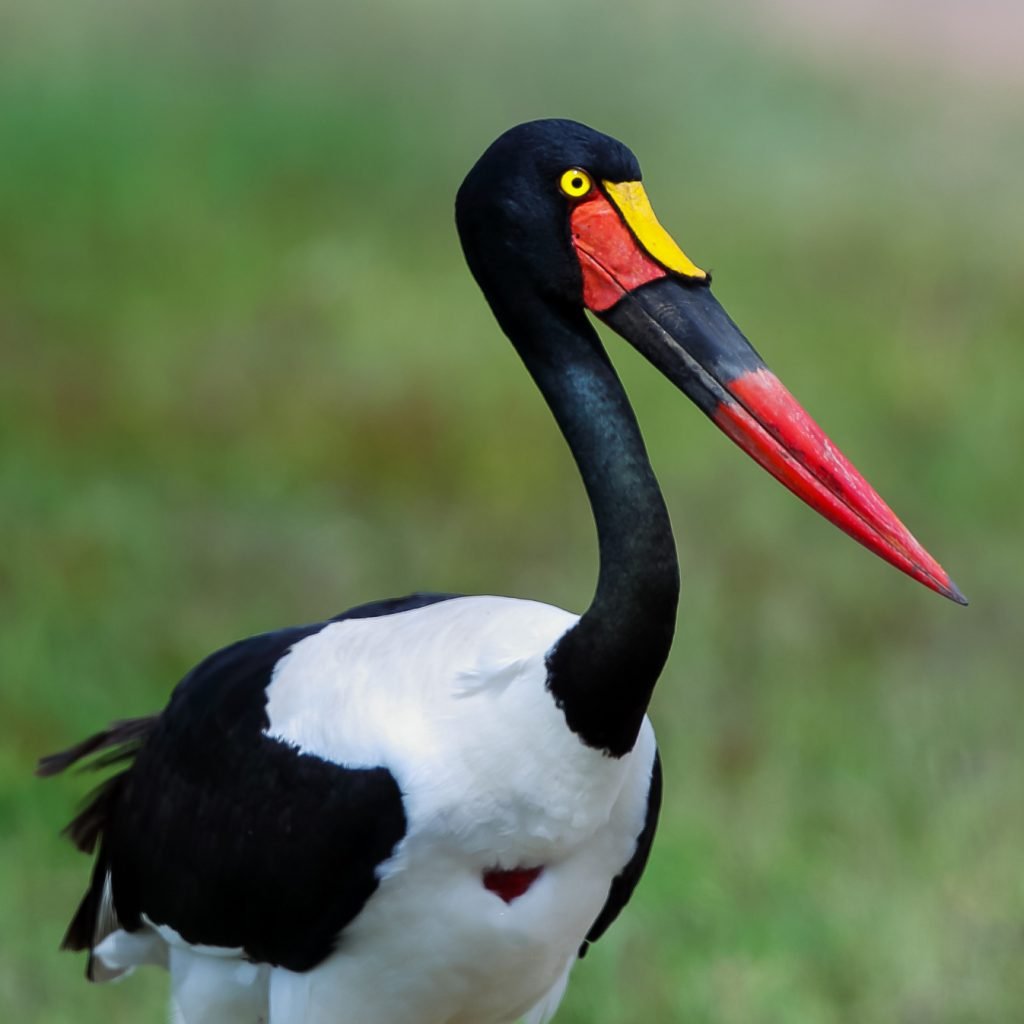
5. Saddle-billed Stork
- The Vibe: A strikingly beautiful and elegantly statuesque wetland bird, with a bill that looks like a painter’s masterpiece.
- Where to find them: Marshes, floodplains, and large wetlands. Good sightings are common in iSimangaliso Wetland Park, Kruger National Park, and the Okavango Delta.
- Identification Tip: Its black and white body, vibrant red and black bill with a yellow “saddle” (nasal shield), and long red legs make it unmistakable. The yellow eye is a female, males have dark eye.
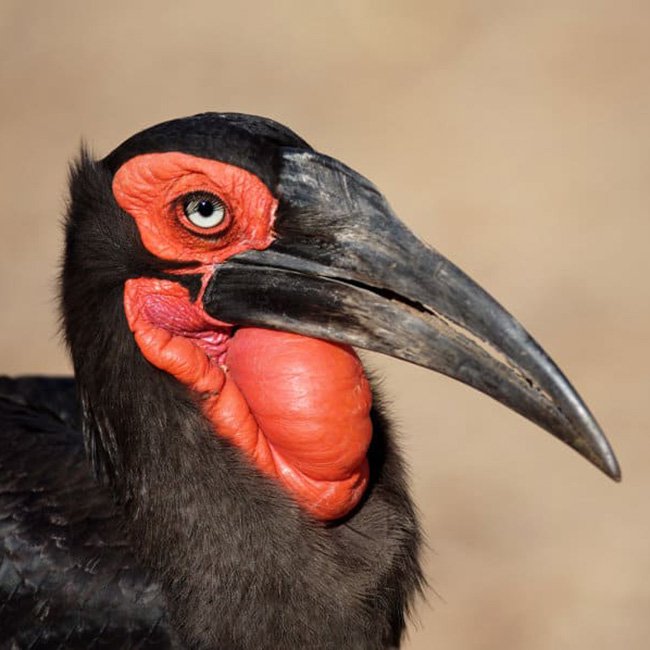
6. Southern Ground-Hornbill
- The Vibe: A prehistoric-looking, charismatic giant with a deep, booming call that carries for kilometers. Highly social and easily recognizable.
- Where to find them: Open woodlands and savannas, often walking in groups. Kruger National Park is a stronghold, particularly around areas with large trees for roosting.
- Identification Tip: Large, all-black body, bright red facial skin and throat wattle (males), and long eyelashes.
Tips for Your Big 6 Quest:
- Patience is Key: These birds are often elusive. Be prepared for early mornings and patient waits.
- Expert Guides: A local birding guide with intimate knowledge of the area and the specific species’ habits significantly increases your chances.
- Multi-Biome Itinerary: Plan to visit a variety of habitats, from dry savannas to lush wetlands, to maximize your chances for different species.
Ready to Tick the Big 6 Off Your List?
The journey to find these six icons is an adventure, if you’d like us to help you, let us know. At Safari and Bird, our specialist guides have an intimate knowledge of South Africa’s best-kept secret spots. Whether you’re desperate for a glimpse of the Pel’s Fishing Owl or want to witness the prehistoric boom of the Ground-Hornbill, our tailored birding itineraries are designed to turn your “dream list” into “sightings confirmed.”
Click here to explore our safaris or contact us today to build your bespoke birding adventure.
Have you seen any of the Big 6? Which one is your favorite? Or top of your wish list? Share your birding stories in the comments below!